
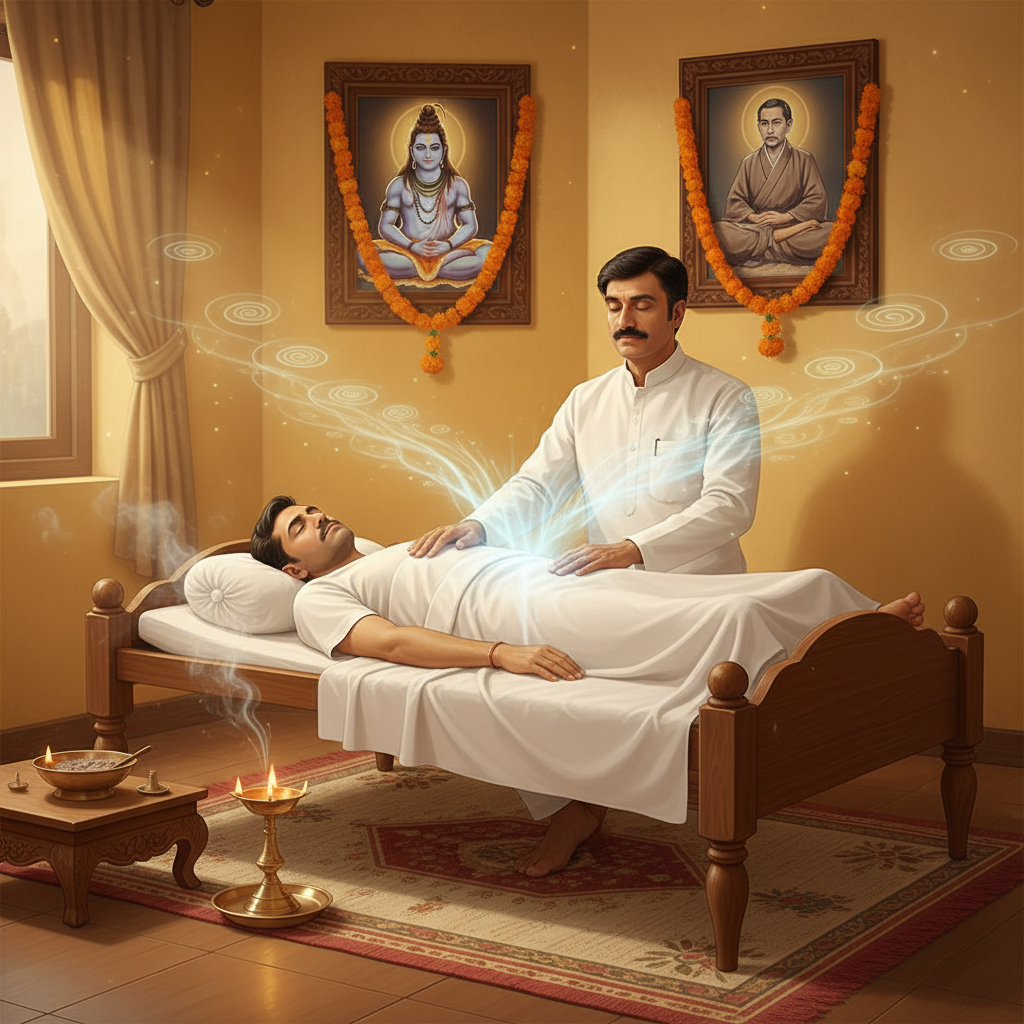
Standard Operating Procedure (SOP) for Reiki Healing: Ethical, Spiritual, and Practical Guidelines
1.Introduction to Reiki Healing SOP
A Standard Operating Procedure (SOP) ensures that Reiki is practiced with the highest level of integrity, safety, and consistency. For any healer at the M. Y. Gangoor Global Foundation, following a set protocol is essential.
Discipline in Reiki is not about rigid rules, but about creating a sacred and professional space. It protects both the healer and the receiver, ensuring that the universal life force energy flows without interference from the human ego.
2.Pre-Reiki Healing Preparations
Before touching a patient, the healer must be a clear channel. This starts with personal readiness. Healers should practice self-Reiki daily to maintain their own energy levels.
Mental and emotional grounding is vital. Spend five minutes in silence to detach from personal worries. Wash your hands with rock salt water to cleanse your physical and energetic body before the session begins.
3.Reiki Healing Room Environment
The healing room should be a sanctuary of peace. Ensure the space is clean, well-ventilated, and free from loud noises. Soft, indirect lighting helps the receiver relax.
Energy hygiene is maintained by burning mild incense or using essential oils like lavender. Gentle, wordless music can be used to mask external sounds. The goal is to create an environment where the patient feels safe and supported.
4.Dress Code for Reiki Healer
A healer’s appearance should reflect modesty and cleanliness. Light-colored clothing, especially white or light blue, is recommended as these colors are associated with purity and healing.
Avoid tight or distracting outfits. Natural fabrics like cotton are preferred as they allow better energy flow. Wearing clean, simple clothes shows respect for the divine energy and helps the patient feel at ease.
5.How to Counsel a Reiki Receiver
Explain Reiki in simple terms: “It is a gentle, non-invasive technique that promotes relaxation and helps the body’s natural healing process.” Avoid making grand promises of “instant cures.”
Manage expectations by explaining that Reiki works on the root cause, which may take time. Ensure the receiver knows they remain fully clothed and that Reiki is a complementary practice, not a replacement for medical treatment.
6.Patient Interaction and Information Collection
Politely ask the receiver about their primary concerns: “Are there specific areas of physical discomfort or emotional stress you would like to focus on today?”
Listen with empathy but without offering medical diagnoses. Always ask if they are comfortable with light touch or if they prefer the “hands-off” method. Respecting their personal boundaries is the first step in building trust.
7.Maintaining Patient Records and Reiki Session History
Keep a confidential log for every receiver. Record the date, the primary reason for the visit, any specific sensations felt during the session, and the patient’s feedback afterward.
Documenting progress helps in planning future sessions. It also maintains a professional standard, allowing the healer to track the receiver’s journey toward balance and well-being accurately.
8.Important Points During Reiki
Focus on the 12 to 15 standard hand positions, covering the head, front of the body, and back. Spend 3 to 5 minutes on each position, or longer if you feel an “energy pull.”
Be sensitive to the patient’s comfort. If they become restless or emotional, stay calm and maintain a supportive presence. Observe any heat or tingling in your palms without over-analyzing the sensation during the flow.
9.Invocation Before Reiki Healing
Always start with a sincere invocation. Silently ask for the guidance of the Universal Energy, your Guru, or the Divine. A simple prayer like, “May I be a pure channel for healing for the highest good of this person,” is effective.
This act of surrender removes the “healer’s ego.” It acknowledges that you are not the healer, but merely the instrument through which the life force flows.
10.Post-Reiki Healing Procedure
Once the session is over, gently tap the receiver’s shoulders or feet to help them ground. Allow them to sit up slowly and offer them a glass of water.
Share any observations gently: “I felt a lot of warmth near your solar plexus.” Encourage the patient to rest and stay hydrated over the next 24 hours to help the body process the energy shifts.
11.Do’s and Don’ts for Reiki Healer
* Do: Maintain emotional neutrality. You are a witness to the healing, not the controller.
* Do: Wash your hands with cool water after every session to “cut” the energy connection.
* Don’t: Give Reiki if you are feeling extremely ill or angry; your state affects the channel.
* Don’t: Let your ego believe that you did the healing. Stay humble.
12.Do’s and Don’ts for Reiki Receiver
* Do: Keep an open mind. Skepticism is fine, but resistance blocks the flow.
* Do: Wear comfortable, loose clothing for the session.
* Don’t: Consume alcohol or heavy meals at least 3 hours before or after the session.
* Don’t: Expect a medical diagnosis from the Reiki practitioner.
13.Boundaries and Energy Protection
Healers must protect their own energy. Use the “Dry Finisher” (Kenyoku) technique or visualize a shield of white light around yourself before starting.
If a patient experiences an emotional release (crying), remain detached yet compassionate. If a patient presents a severe medical emergency, always refer them to a qualified medical professional immediately. Reiki is a support, not a substitute for emergency care.
14.Conclusion
Reiki is a path of service that requires sincerity and continuous learning. By following this SOP, you ensure that your practice remains ethical, professional, and spiritually grounded.
The heart of Reiki is compassion. When you combine disciplined procedures with a loving heart, you become a powerful instrument for peace and balance in the world.